
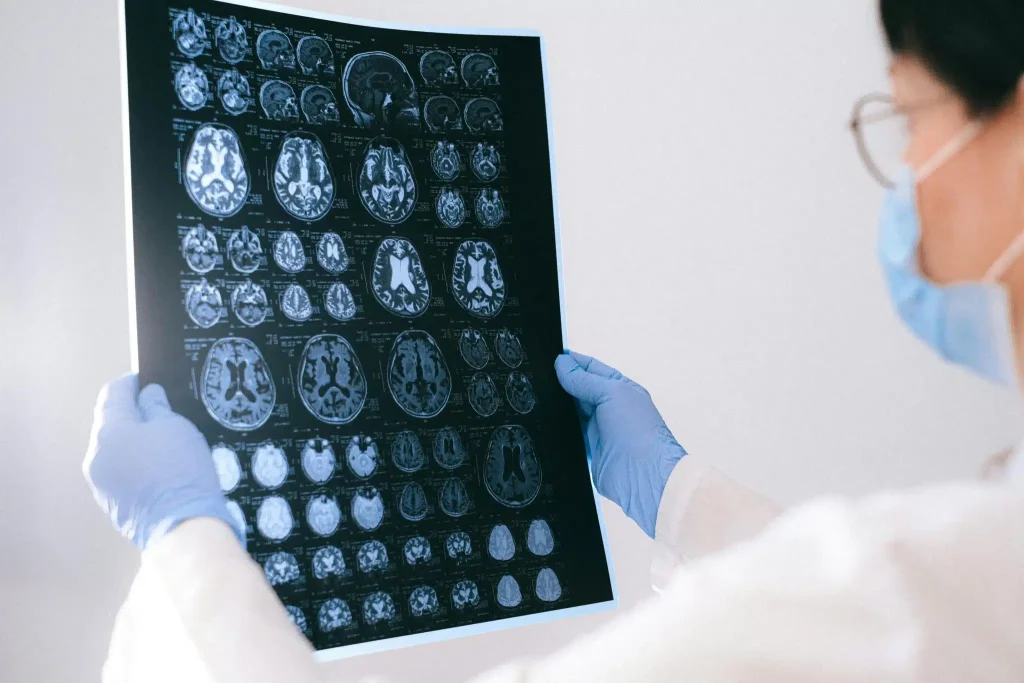
What does ketamine do to the brain? First, it helps reset how the brain processes mood, pain, and thoughts by targeting glutamate, a key brain chemical. In fact, ketamine in West Jordan, UT, is a fast-acting treatment that is changing the way we treat mental health. Unlike standard drugs for depression or anxiety, it works by creating new pathways in the brain. At Ketamine Therapy at Therapeutic Alternatives, we use ketamine therapy to help people feel better when other treatments have failed. If you are struggling and need a new path to healing, call us at (385) 685-1410 to schedule a free consult or fill out the online form.
How Ketamine Affects the Brain
What does ketamine do to the brain? Simply put, it helps brain cells send and get messages more clearly. Specifically, ketamine works on glutamate, a brain chemical that helps nerves talk to each other. While most other meds for mood disorders work on serotonin or dopamine, ketamine takes a different path.
In many cases, people with depression have weak or slow brain links. However, ketamine helps build new ones. This process is called “synaptogenesis.” As a result, the brain becomes more open to change and works better. That’s why many people feel better fast after just one treatment.
Ketamine Helps with Brain Growth and Healing
Ketamine helps the brain heal by boosting a key protein called BDNF. This protein helps the brain grow new cells and build stronger links between them. As a result, it can improve mood, memory, and focus. Over time, it also helps ease symptoms of depression, anxiety, PTSD, and more.
One way to understand what ketamine does to the brain is by looking at how it reduces brain swelling. Too much inflammation in the brain can lead to mental health struggles. Thankfully, ketamine helps calm that swelling, giving your brain a better chance to rest, recover, and feel balanced again. A study published by PubMed explains how ketamine enhances BDNF expression and supports brain plasticity—key factors in healing and recovery.
Ketamine Offers Fast Relief from Depression and Anxiety
Many people feel stuck after trying different medications for depression or anxiety. Most pills take weeks to work, and some don’t help at all. But ketamine often starts working in just hours or a few days. For this reason, the quick change can make a big difference for those feeling deep sadness or thinking about self-harm.
Unlike standard treatments, ketamine works in a new way. It helps the brain build new paths, easing heavy thoughts and calming anxious feelings. As a result, many people experience fewer mood swings, less worry, and a greater sense of peace.
Ketamine is usually given through an IV drip, shot, or nose spray. At our clinic, Therapeutic Alternatives, we offer ketamine therapy in a safe, caring space. After just a few visits, most people notice better sleep, more energy, and a lift in mood. This clearly shows what ketamine does to the brain—it helps it reset and heal fast.
Ketamine and Neuroplasticity
The brain can grow and change. This is called brain plasticity. Ketamine helps the brain do this by making new paths between brain cells. As a result, these new links help you think in new ways and let go of dark or stuck thoughts. Over time, this can help you feel more calm, clear, and even happy again.
What does ketamine do to the brain? It gives it the chance to heal. By supporting new brain connections, ketamine makes learning, changing, and feeling better easier. In fact, many people say they feel more open, hopeful, and in control after treatment. A study in Translational Psychiatry found that a single dose of ketamine can boost brain plasticity by increasing BDNF and triggering mTOR activity—key steps in healing from depression.
In addition, talk therapy often works better when the brain is more flexible. After ketamine sessions, people may find it easier to talk about hard things or take steps toward healing. With the right support, the brain can start fresh—letting go of old pain and building a stronger path forward.
How Long Do the Effects of Ketamine Last?
The effects of ketamine don’t last forever. Still, many people feel better for days or even weeks after just one visit. With steady care, the brain gets more time to build stronger links. This helps mood, energy, and clear thinking come back slowly. That’s part of what ketamine does to the brain—it gives it space and support to grow in a new way.
At Ketamine Therapy at Therapeutic Alternatives, we make a plan that fits you. Some people feel best with one visit each week for a few weeks. Others may need more time between sessions. Either way, we’ll work with you to find what helps your brain heal and what fits your life.
Is Ketamine Safe for the Brain?
Yes, ketamine is safe when used with care by a trained doctor. It has been used in hospitals for many years as a pain and sleep medicine. In low doses, ketamine can help with mental health problems without harm. Side effects are rare and often mild. For example, some people may feel dizzy, sleepy, or have strong dreams during or after care. Thankfully, these effects usually wear off quickly.
During treatment, we watch each person closely. Our trained team makes sure you feel calm, safe, and cared for the whole time. If you’re wondering what ketamine does to the brain, the answer is simple—it helps the brain reset and work better. Most importantly, we are here to guide you through the process every step of the way.
Ketamine vs. Traditional Antidepressants
Most antidepressants take weeks to work. They slowly raise serotonin and often don’t help with deep or long-term sadness. In contrast, ketamine is different. It works on glutamate, a brain chemical that acts faster. Because of this, it helps the brain grow and reset more quickly.
For those who have tried other treatments without success, ketamine often brings relief. It is not a cure, but it is a strong tool that helps heal the mind. If you’re wondering what ketamine does to the brain, the answer is that it builds new brain paths and helps you feel better in less time. When combined with therapy, healthy habits, and strong support, ketamine can be a key part of lasting healing.
What Conditions Can Ketamine Help Treat?
Ketamine is being used for:
- Depression (especially treatment-resistant)
- Anxiety
- PTSD
- OCD
- Bipolar depression
- Suicidal thoughts
- Chronic pain (in some cases)
Talk to your provider to see if ketamine is right for you. We will review your health history and current needs to create a plan that fits your goals.
What to Expect During Treatment
Your first visit starts with a full review of your symptoms and goals. We’ll also explain the treatment and answer any questions you have. If ketamine is a good fit for you, we’ll set up your first session.
During the infusion, you will relax in a quiet room with a trained team member close by. The treatment takes about 45 minutes. You may feel calm, floaty, or sleepy. Afterward, you’ll need someone to drive you home since driving right away is unsafe. However, most people feel normal again within a few hours.
Soon after treatment, often within a day or two, you may feel changes in mood or thought patterns. Some people notice a lift after one session. However, others may need more. As you progress, we’ll track how you feel and change the plan if needed. This is just one way we show what ketamine does to the brain—it helps shift thoughts and moods in a safe, guided way.
Ketamine Therapy Near Me | West Jordan, Utah
Mental health struggles can feel heavy. Even so, there is hope. Ketamine is helping many people feel like themselves again. It may be the change you’ve been looking for. At the same time, Ketamine Therapy at Therapeutic Alternatives is here to help you find peace and feel more like yourself. If you’ve been wondering what ketamine does to the brain, we’re happy to explain how it works and what to expect. This treatment can be a fresh path toward healing. So, if you’re ready to feel better, call us at (385) 685-1410 to set up a free consult or fill out the online form.